Partisan politics is nothing new in Congress, but it has been increasing since the 1970s, said Dr. Brandon Prins, a political science professor and Baker Fellow at the University of Tennessee.
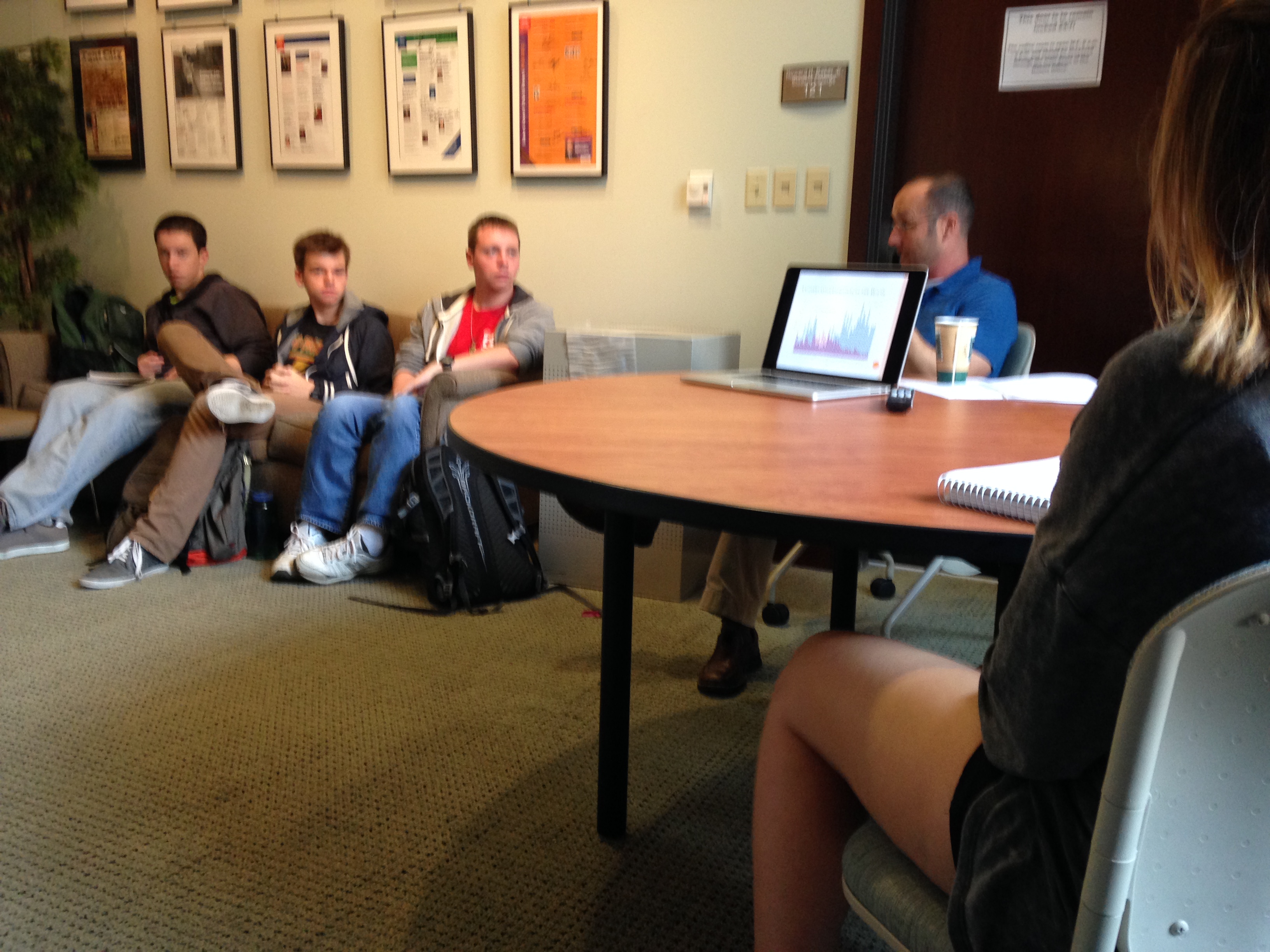
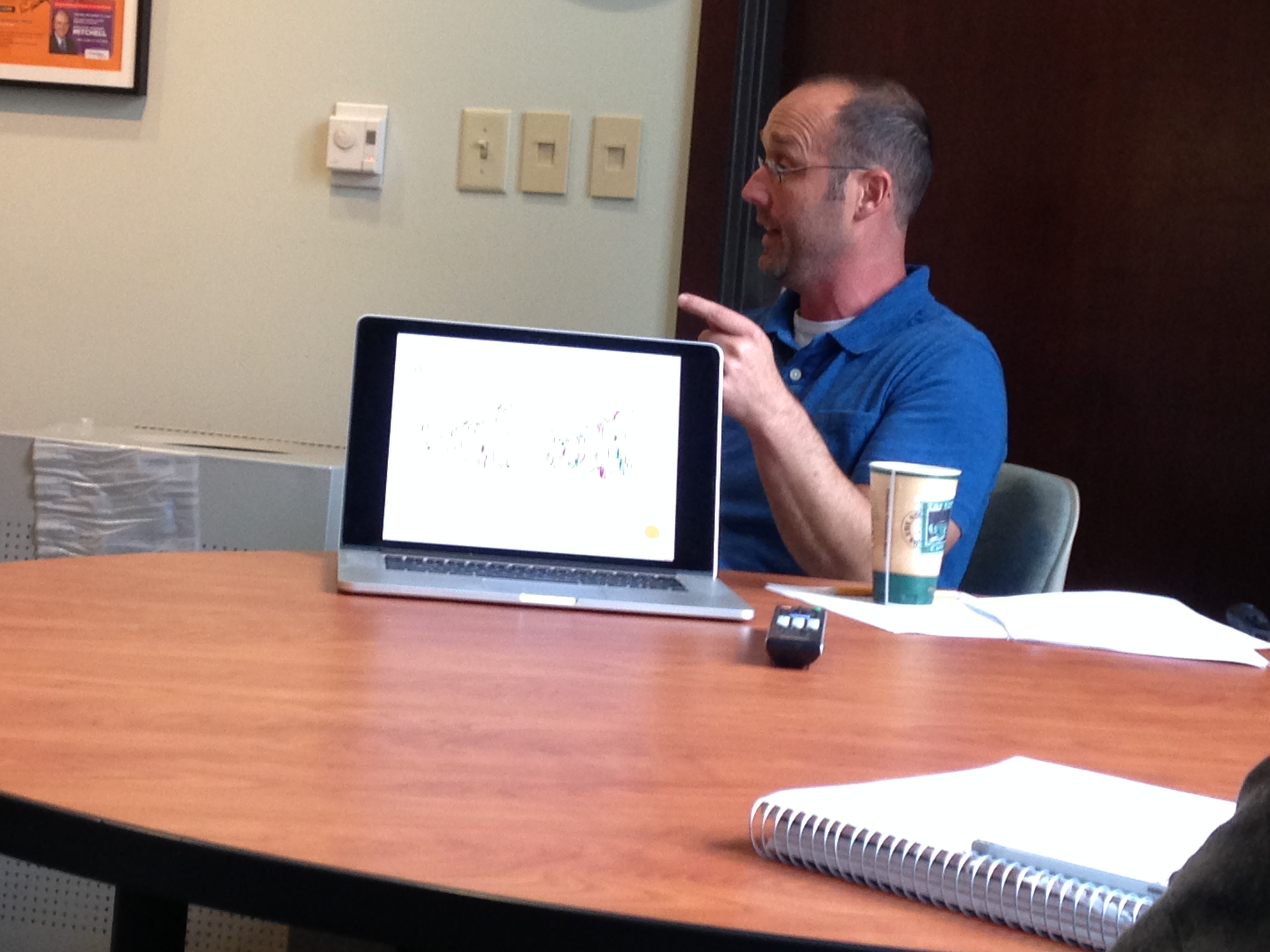
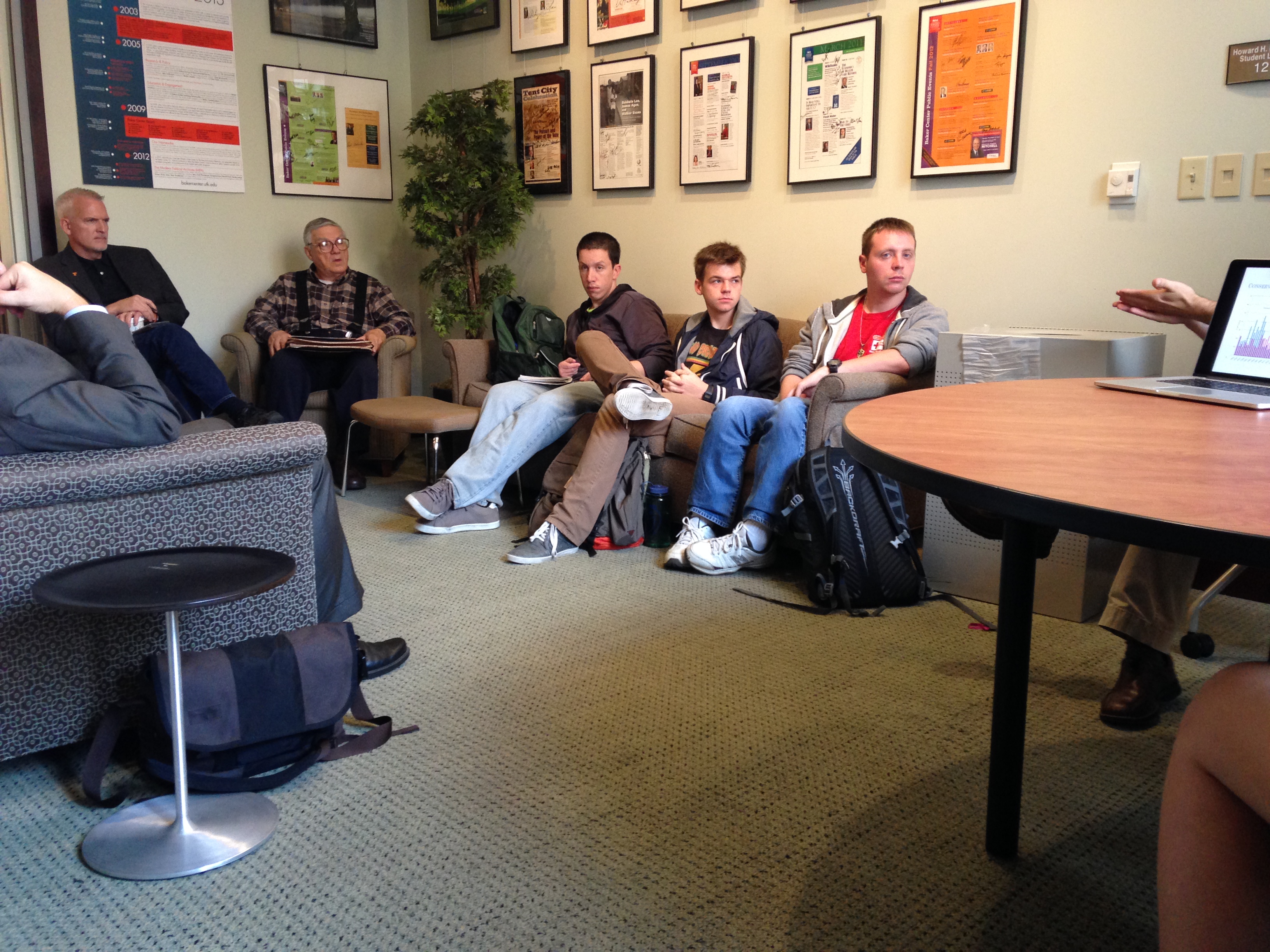
Prins presented his speech “The Changing Face of U.S. Foreign Policy: Partisan Opposition to Presidential Diplomacy” as part of the Howard Baker Center’s Baker Café on Tuesday morning.
A 2013 study from the Pew Research Center found that the average difference between opinions and values of Republicans and Democrats was 18 percentage points. This nearly doubles from data collected from 1987 until 2002.
“I do think the extent of partisan support for a president of your own party and members of the opposing party is a bit surprising,” Prins said. “It’s really extreme. Everyone who’s a Democrat votes 90 percent of the time in the direction that President Obama wants or favors, and five percent of the time members of the Republican Party do.”
According to Prins, this shift in partisan politics is partly because of Sunshine Laws, which require certain government information be made available to the public.
“Members of Congress are concerned about how their constituents will react to a vote they take,” Prins said. “I think that, in the past, members have enjoyed a bit more discretion and compromise was perhaps more successful, or it was more easily reached, when not everyone knew how everyone else voted.”
These open records have affected the way Americans view the work of Congress, Prins said.
“What Americans end up seeing is lots of this partisan opposition and they associate this opposition with gridlock and inability to solve or address problems,” Prins said. “But they do continually vote people into office who are partisan and who hold extreme partisan views, so they create the problem that frustrates them.”
According to a 2015 Gallup poll, 28 percent of Americans disapproved of Congress because of this lack of compromise. Nearly four in five Americans did not approve of Congress’ job performance.
 Taylor Owens